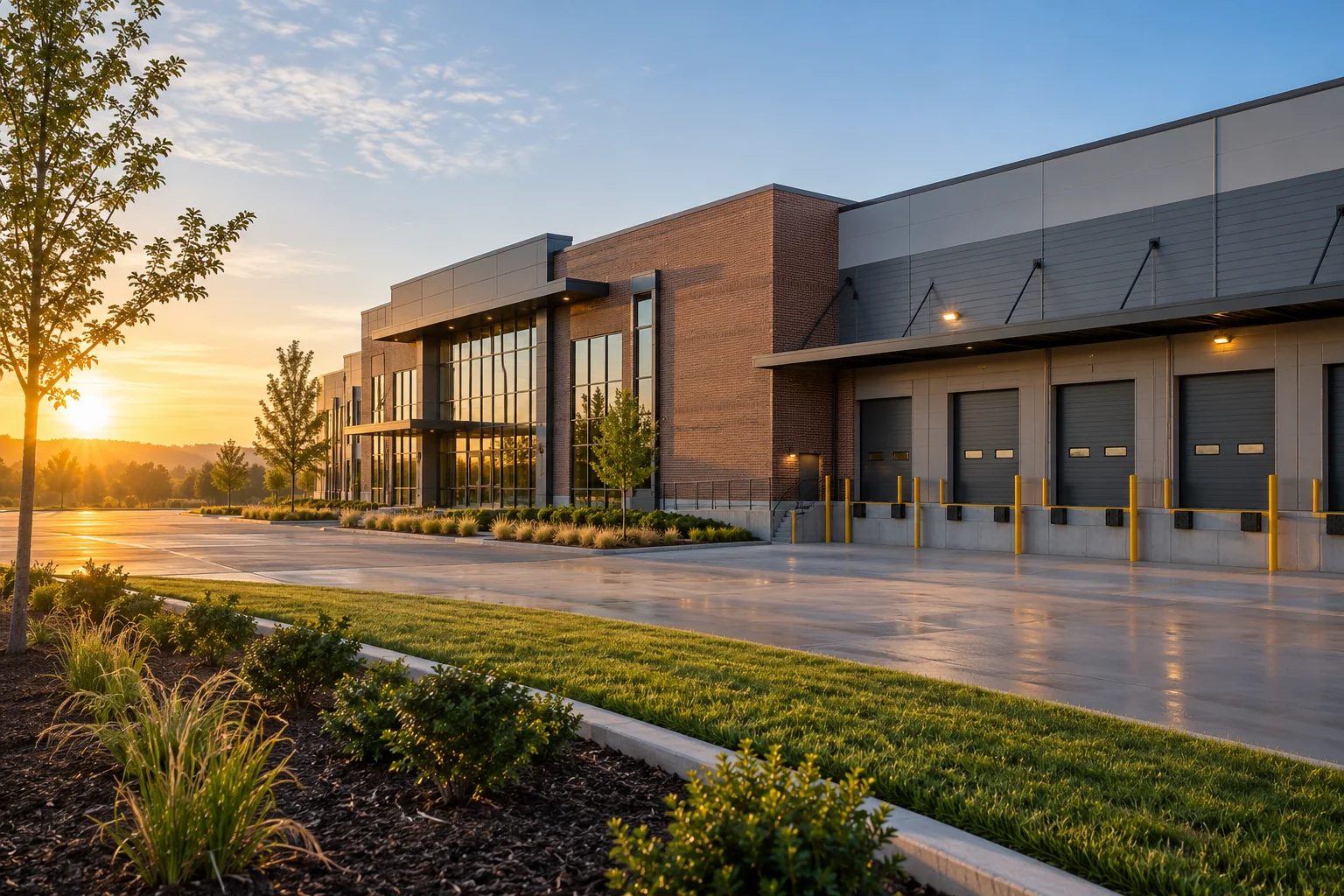
Build the review around recovery time
A building repair estimate is only part of a recovery plan. Consider the lead time for specialized machinery, replacement inventory, permits, and restarting production. Ask your operations team which assets would be hardest to replace and whether a temporary location is realistic. Bring that recovery timeline into the insurance discussion so the proposed period and income values can be compared with how the business actually operates.
What if we rent our premises?
Review your lease alongside the insurance schedule. Describe improvements you paid for, equipment you lease, and property belonging to customers. Identify who is responsible for the building, glass, signs, and any continuing rent following damage. A premises address alone does not explain those obligations. Share any new locations, warehouse changes, or subleases before assuming they are included in the existing program.
How do inventory and cargo policies fit?
A product business may have goods at its premises, at third-party warehouses, and in transit. Map those locations and movements before comparing property with stock throughput or cargo insurance. The goal is to understand where each policy responds, the applicable values and deductibles, and any areas that require clarification. Seasonal peaks and goods awaiting shipment deserve attention because an average inventory figure may miss your highest exposure.
What should we ask about exclusions?
Ask specifically about flood, earthquake, equipment breakdown, spoilage, utility interruption, and supplier-dependent income when relevant. These issues may require different forms, endorsements, or separate policies. Compare sublimits and deductibles as well as the headline limit. Explain any critical refrigeration, single-source production, or power dependency so the discussion addresses a realistic shutdown scenario rather than only a replacement-cost total.
A practical scenario to review
Imagine damage at your primary facility prevents shipping while a specialized machine is replaced. Your review should address the damaged property, temporary operating arrangements, the income calculation, and the expected restart date. This scenario helps identify questions for the insurer; it is not a determination that a particular loss would be covered. Keep the business continuity plan and insurance program aligned as the company grows.
What information helps us get started?
Share your locations, operations, current property schedule, renewal timing, and a summary of the assets you rely on. Have recent values and a business income worksheet available for the next conversation. Cory can discuss the program alongside your cargo, liability, and other business insurance. Use the website form for basic business contact details; detailed financial worksheets can follow through the agreed process.
Related coverage guides
New equipment, a new location, or more inventory?
Tell Cory what changed and what it would take to restore your operations after an interruption. Cory will follow up to discuss the business and the information needed for the next step.
Request an insurance review with Cory or call 845-721-0744.
Preparing for the conversation? Download the business insurance review checklist (PDF). No signup required.
Practical reading before your next decision
Explore all business insurance resources
Submitting an inquiry does not bind, amend, or cancel coverage. Coverage availability and terms depend on underwriting and the policy issued.
Further reading: Coverage background.