
FISCHER RISK MANAGEMENT / COVERAGE

Product liability insurance. Your product reaches further than your warehouse.

You may design it, import it, put your name on it, or sell it through a retailer. Start with your role in the product and the commitments behind each sale.

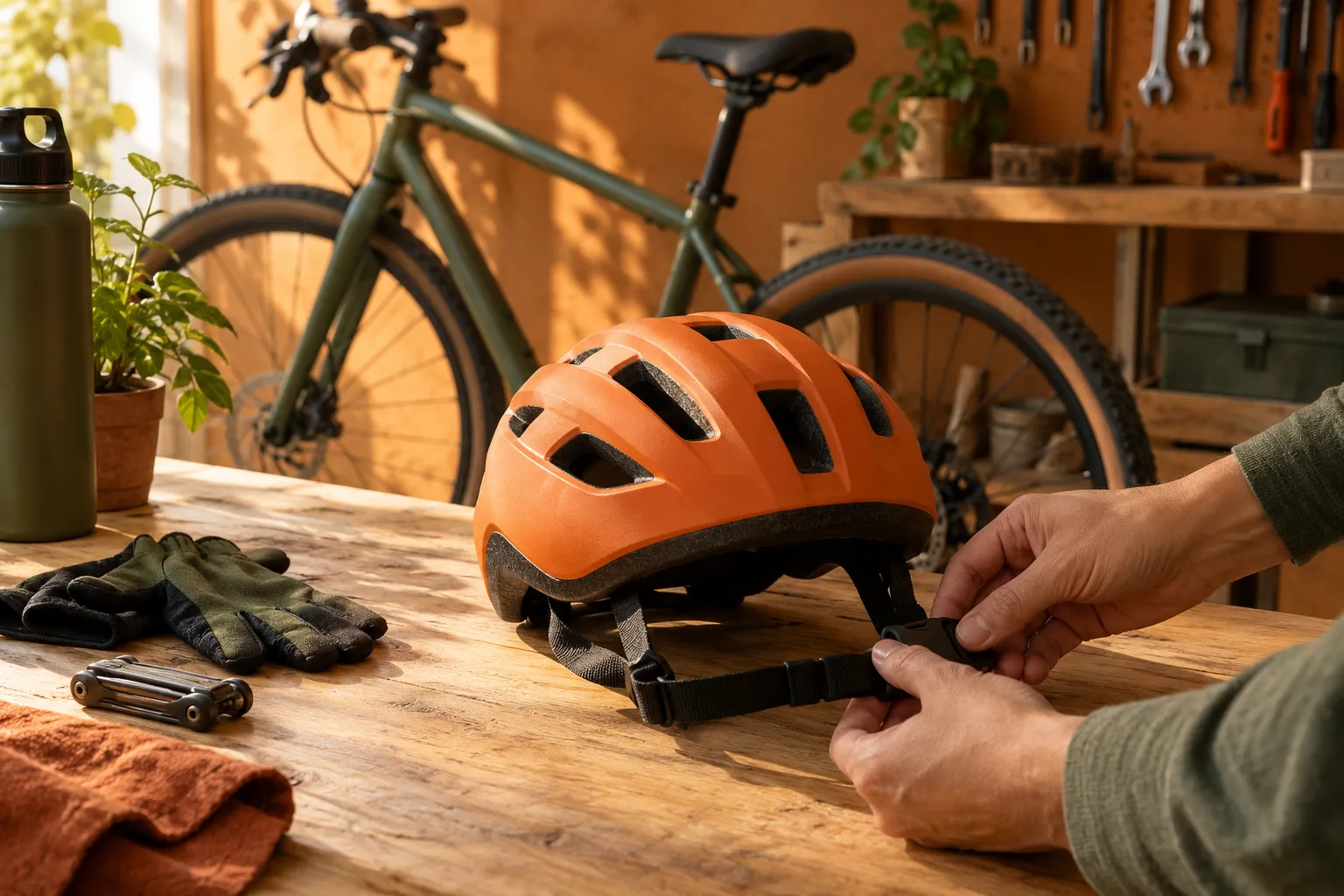
Request an Insurance ReviewA bicycle helmet undergoing a strap check at a product design workbench.
What does product liability insurance cover?

Product liability insurance addresses certain legal liability claims alleging bodily injury or property damage caused by products your business makes, imports, distributes, or sells. It is often arranged within general liability insurance. The products insured, exclusions, territories, and policy terms determine the scope. It does not automatically pay every cost connected with a defective product.

Injury, recall, and failure to perform are different losses.

  • A product allegedly injures a customer or damages other property: examine product liability and the facts of the allegation.
  • You withdraw or replace stock: examine product recall insurance and the relevant recall trigger and expense cover.
  • A customer alleges financial loss because a component failed to perform, without injury or property damage: examine product E&O / manufacturers E&O.

Repairing your own defective product, fulfilling a warranty, or refunding a sale is not automatically a covered product-liability claim. See the product liability versus product E&O guide for the distinction.


Explore industry guides

Consumer brands & e-commerce

Apparel & lifestyle

Beauty & personal care

Medical device businesses

Technology & SaaS

Apparel professionals examining a garment in a design studio.

Do importers and private-label brands need a review?

Yes. Outsourcing manufacture does not remove the need to examine your company's own exposure. Identify who designs, manufactures, labels, imports, and sells the product. Send supplier agreements and any indemnity or insurance provisions, along with information about quality controls and traceability. The insurer needs an accurate description of your role and products.

How much product liability insurance should a business carry?

There is no single limit that fits every product company. Start with the severity of a possible injury or damage event, sales territories, distribution, product use, claims history, and customer requirements. A retailer's required minimum is one input, rather than proof that the limit is adequate. Review primary and umbrella or excess limits together.

Notebook, calculator, and folder arranged for a business review.

What information helps produce a useful quote?

  • Current product catalog, intended users, annual sales, and revenue by product category.
  • Manufacturing and sourcing locations, sales territories, and your role in the supply chain.
  • Testing, labeling, quality-control, complaint, and recall procedures.
  • Loss history, existing insurance, customer contracts, and planned product changes.

Compare the same products, limits, deductibles, exclusions, and defense-cost treatment across proposals. Pricing depends on underwriting, not simply the number of products listed.

A new product or customer requirement to review?

Share your product range, your role in making or selling it, and your renewal or contract deadline. Cory will follow up to discuss the business and the information needed for the next step.

Request an insurance review with Cory or call 845-721-0744.

Preparing for the conversation? Download the business insurance review checklist (PDF). No signup required.

Practical reading before your next decision

Explore all business insurance resources

Submitting an inquiry does not bind, amend, or cancel coverage. Coverage availability and terms depend on underwriting and the policy issued.

Further reading: Insurance coverage background.

‍

Explore industry guides

Consumer brands and e-commerce · Apparel and lifestyle · Beauty and personal care · Medical devices · Technology and SaaS

Product liability versus product E&O

Product liability and product E&O address different allegations. Bodily injury or property damage allegations call for a product liability review; a customer’s financial-loss allegation about a product’s performance calls for a separate product E&O review. Neither label determines coverage by itself. Read the Product E&O / Manufacturers E&O guide.