FISCHER RISK MANAGEMENT / COVERAGE

Product recall insurance. Pulling a product is only the first decision.

A recall raises questions about suppliers, inventory, customers, and the costs your business may face. Review those questions before an urgent decision puts the process to the test.

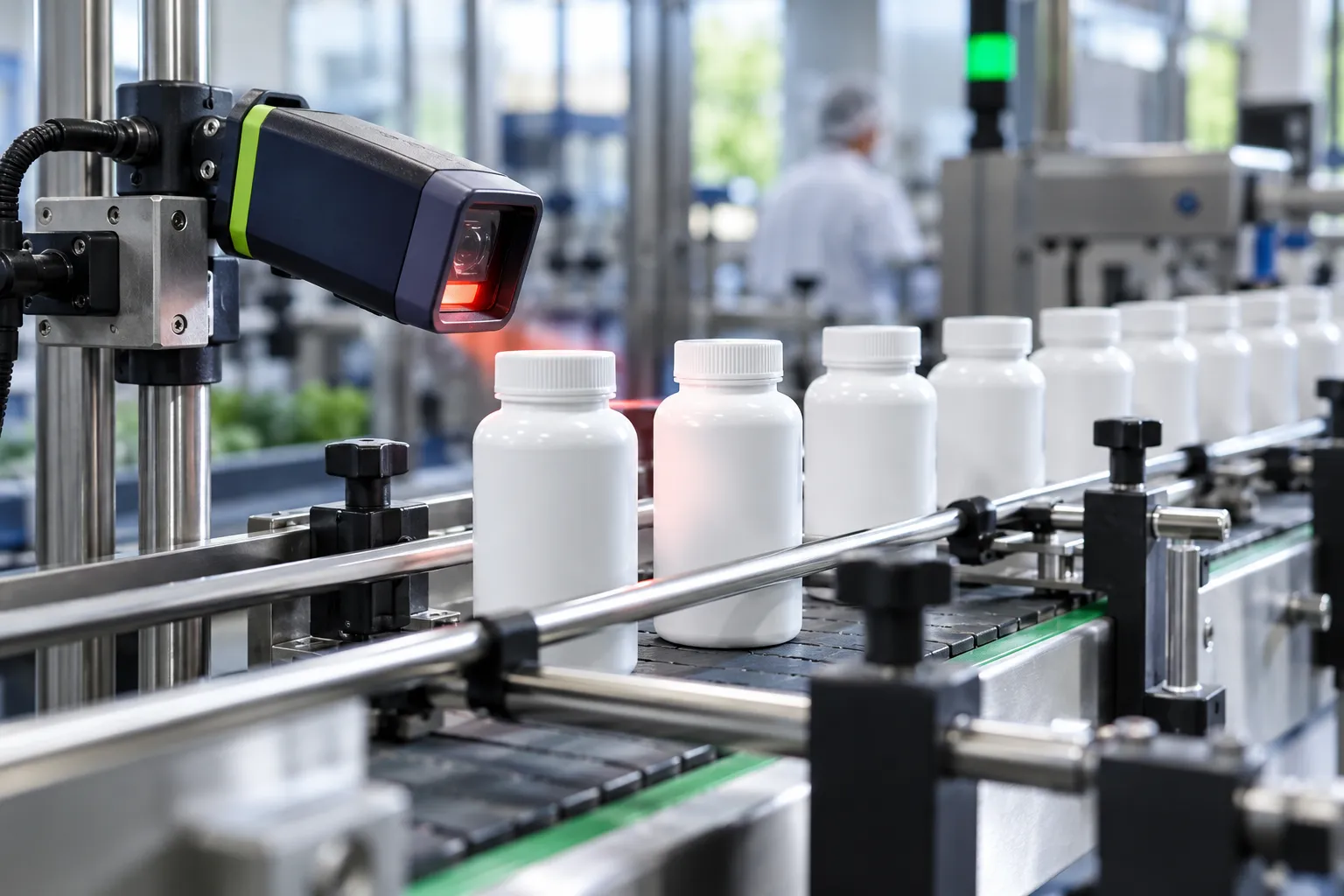
Request an Insurance ReviewProduct bottles passing through an automated quality inspection line.
What is product recall insurance?

Product recall insurance addresses specified recall-related exposures under the policy issued. Review the event that triggers coverage, eligible expenses, insured products, limits, and any exclusions alongside your product liability program.

When a product needs to come off the shelf.

Describe your products, manufacturing partners, ingredients or components where relevant, sales channels, and how finished goods can be traced. Tell us whether your company owns the brand, manufactures the product, imports it, or distributes it.

Questions to ask about the policy

Which events trigger coverage? Which expenses are included, and which are excluded or limited? How do notification, withdrawal, disposal, replacement, and interruption expenses fit into the proposed wording? Do not assume any listed expense is automatically covered.

Prepare for a useful quote discussion

Bring annual sales, relevant product and quality-control information, recall history, existing coverage, and a description of your response process. Include customer and supplier contracts you want considered.

Can we review recall and liability together?

Yes. Request a combined review so the discussion considers how the policies fit with your products and operations. Separate policies or endorsements may be needed, depending on the proposal.

An injury claim and a recall expense are different problems

Imagine a brand discovers a potentially unsafe component after goods have reached distributors. The immediate questions include which batches are affected, where the goods are located, and who will communicate with customers. Retrieving or disposing of goods creates different expenses from defending an injury allegation. This example is for planning; it does not establish that any proposed policy would cover the event.

Explore industry guides

Consumer brands & e-commerce

Apparel & lifestyle

Beauty & personal care

Medical device businesses

Technology & SaaS

Beauty product professionals reviewing samples and quality documentation.

Build the review around your response plan

Explain how you identify affected lots, contact manufacturing partners, and locate stock held by retailers or fulfillment providers. Describe decision-making responsibilities and the outside advisers you would use. Ask how the proposal treats withdrawal, transport, storage, disposal, replacement, and lost income, including any separate limits or conditions for these expenses.

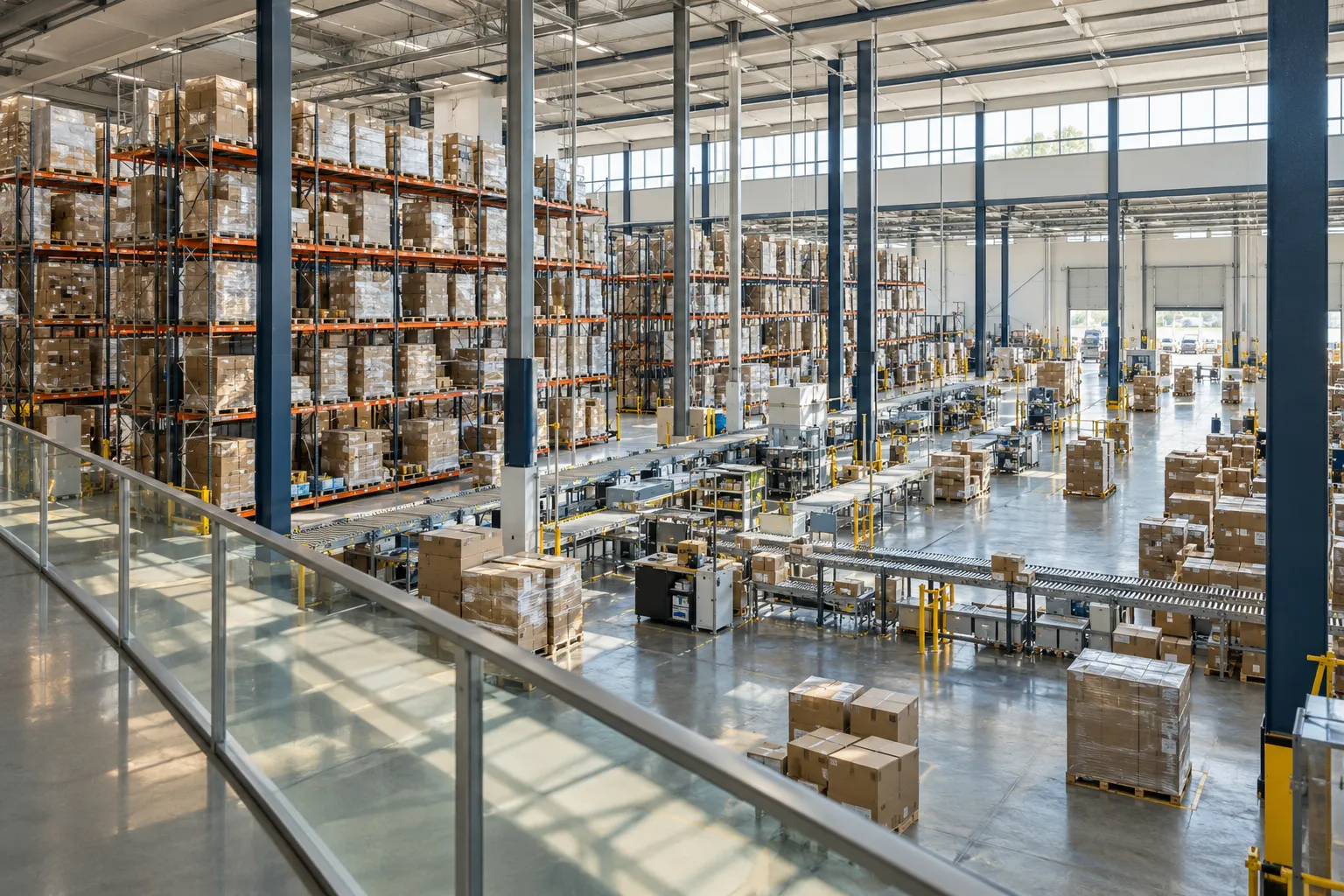
Consumer-products inventory in a distribution facility.

Coverage triggers deserve close attention

Ask which circumstances can trigger the policy and what evidence or approvals are required. Discuss voluntary action, regulatory involvement, supplier-caused events, and the geographic scope. Check when notice must be given and whether specialist response providers need insurer approval. A recall policy label does not answer these questions by itself.

Does every quality problem qualify as an insured recall?

No. A commercial decision to withdraw or replace a product may not meet the policy's trigger. The definition of an insured event, applicable exclusions, and the circumstances determine the coverage analysis.

Can a supplier issue cause costs for our business?

Yes, a supplier problem can create operational costs for your business. Whether insurance responds requires examination of the affected products, the recall trigger, supplier arrangements, and the wording. Include your dependence on key components or manufacturers in the application discussion.

What should we prepare before requesting terms?

Prepare a product and supplier overview, sales by territory, batch-tracing information, quality-control procedures, previous incidents, and current insurance. Identify who would coordinate a withdrawal and any customer contracts that allocate recall expenses. Additional underwriting information may be requested.

Expanding the range or changing production partners?

Tell Cory about your products, suppliers, and the recall-related questions you want to discuss. Cory will follow up to discuss the business and the information needed for the next step.

Request an insurance review with Cory or call 845-721-0744.

Preparing for the conversation? Download the business insurance review checklist (PDF). No signup required.

Practical reading before your next decision

Explore all business insurance resources

Submitting an inquiry does not bind, amend, or cancel coverage. Coverage availability and terms depend on underwriting and the policy issued.

Further reading: Insurance coverage background.

‍

Explore industry guides

Consumer brands and e-commerce · Apparel and lifestyle · Beauty and personal care · Medical devices · Technology and SaaS

Product recall versus product liability

The expense of withdrawing a product and a liability claim alleging injury or property damage are different exposures. Review the recall trigger and eligible expenses separately from liability coverage, even when both arise from the same product issue. Read the Product liability guide.