A practical example to discuss
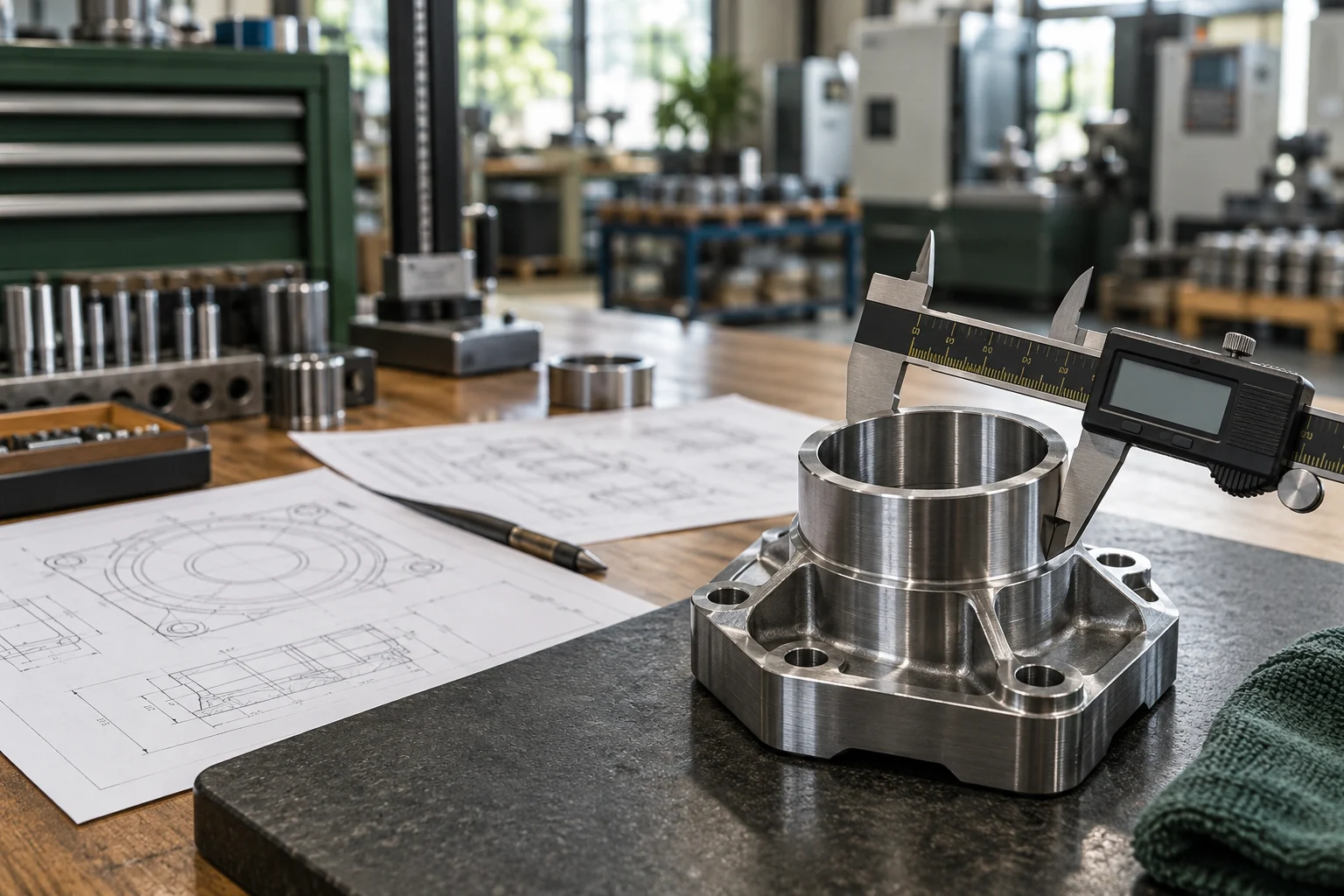
Suppose your company supplies a component that does not meet the agreed specification. A customer alleges that it delayed production and caused lost revenue, without injuring anyone or damaging other property. That is an example of the kind of exposure to discuss during a manufacturers E&O review, not a statement that any policy would cover the claim.
Is this a warranty or a promise to replace faulty products?
Do not assume Product E&O pays to repair or replace your own defective goods, fulfill a performance guarantee, or meet every contractual promise. Ask specifically about treatment of these costs, contractual liability, and product-performance exclusions. Liability for a customer’s financial loss and the cost of correcting your own product are separate questions.
Which businesses should discuss it?
Manufacturers and component suppliers are natural starting points. Importers, distributors, assemblers, and private-label brands should explain their exact responsibilities and ask whether an available form addresses those activities. If you provide design, installation, consulting, software, or other services alongside a physical product, discuss those activities separately rather than assuming they are included.
Product E&O, technology E&O, and recall
A software or technology service exposure may belong in a technology E&O discussion, while a physical product-performance exposure may involve manufacturers E&O. Connected products can raise both questions. Product recall addresses another concern: withdrawing or retrieving goods after a defined event. These labels should guide a coordinated review; they do not establish interchangeable protection.
What policy details should we compare?
Ask about insured products and work, covered financial-loss allegations, defense arrangements, limits, deductibles, territories, and exclusions. If the proposed coverage is claims-made, review its retroactive date and reporting requirements. Share customer contract requirements and known allegations. Availability and wording vary, so compare the actual proposal with your business activities.
What information helps Cory begin the review?
Prepare your website, product descriptions, manufacturing or sourcing responsibilities, sales territories, customer types, annual revenue, existing policies, and renewal date. Explain the product’s intended function and any testing or quality procedures at a high level. Share a contract or launch deadline early. Detailed technical specifications and confidential contracts can follow through an appropriate channel after the initial conversation.
Product E&O versus technology E&O
Begin with what you deliver. A manufactured component that does not perform and a technology service that does not meet a client agreement present different underwriting questions. Describe hardware, software, installation, and services together when your business combines them. Read the Technology E&O guide.
Related coverage guides
Related industry guides
Customers rely on your product to perform?
Share what the product does, how customers use it, and the performance commitments in your agreements. Cory will follow up to discuss the business and the information needed for the next step.
Request an insurance review with Cory or call 845-721-0744.
Preparing for the conversation? Download the business insurance review checklist (PDF). No signup required.
Practical reading before your next decision
Explore all business insurance resources
Submitting an inquiry does not bind, amend, or cancel coverage. Coverage availability and terms depend on underwriting and the policy issued.
Further reading: Manufacturers E&O background from Travelers.